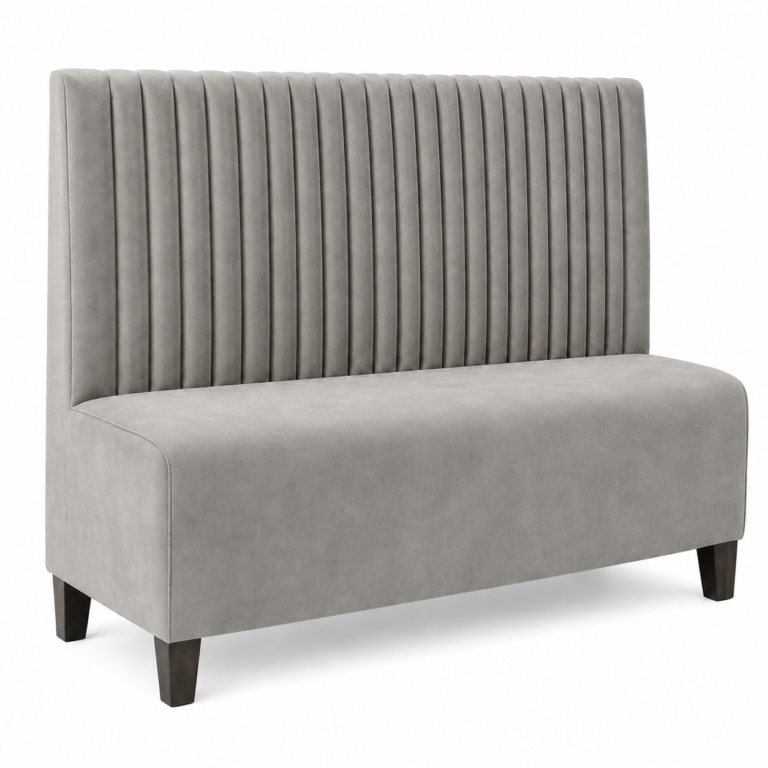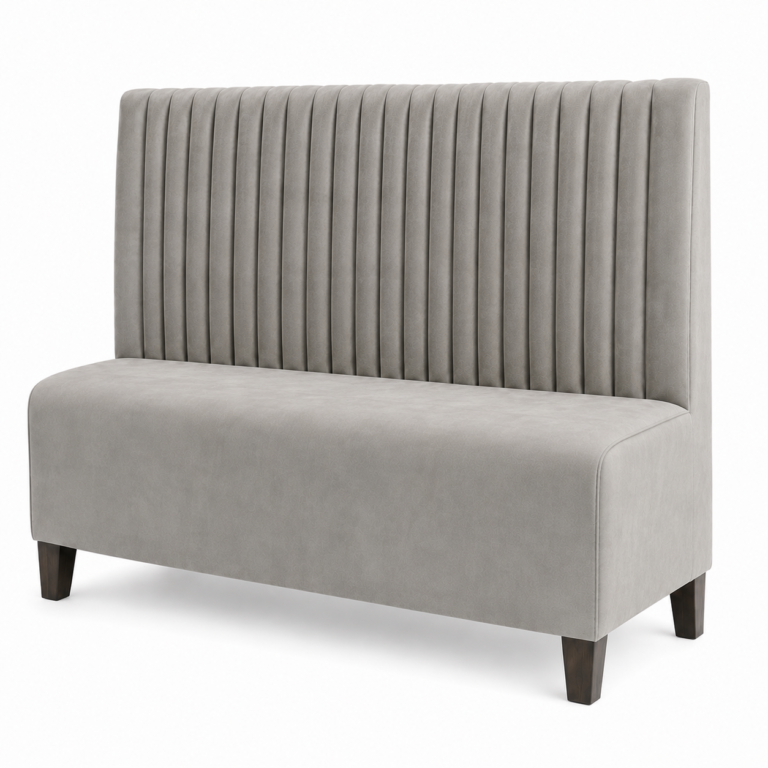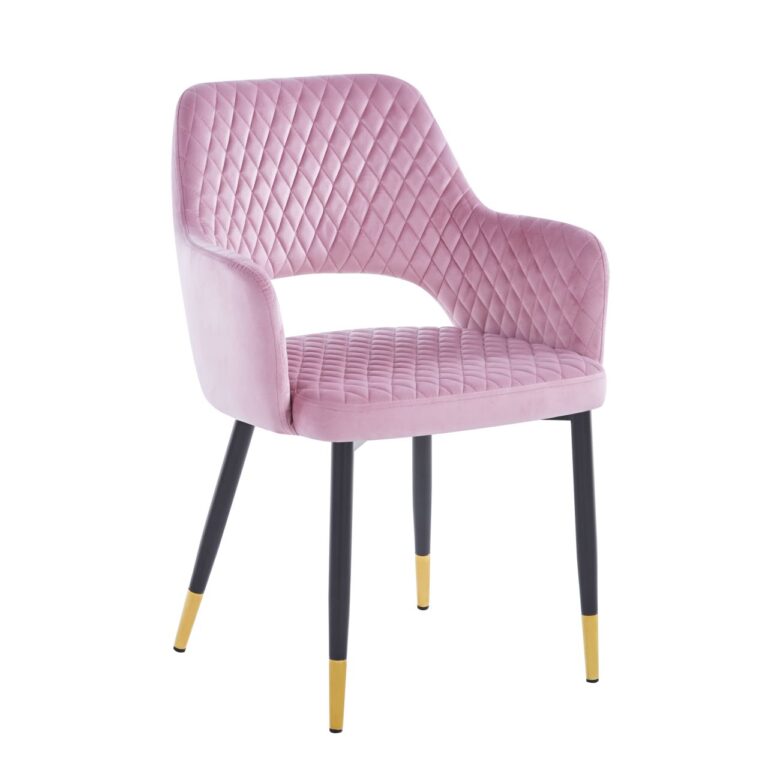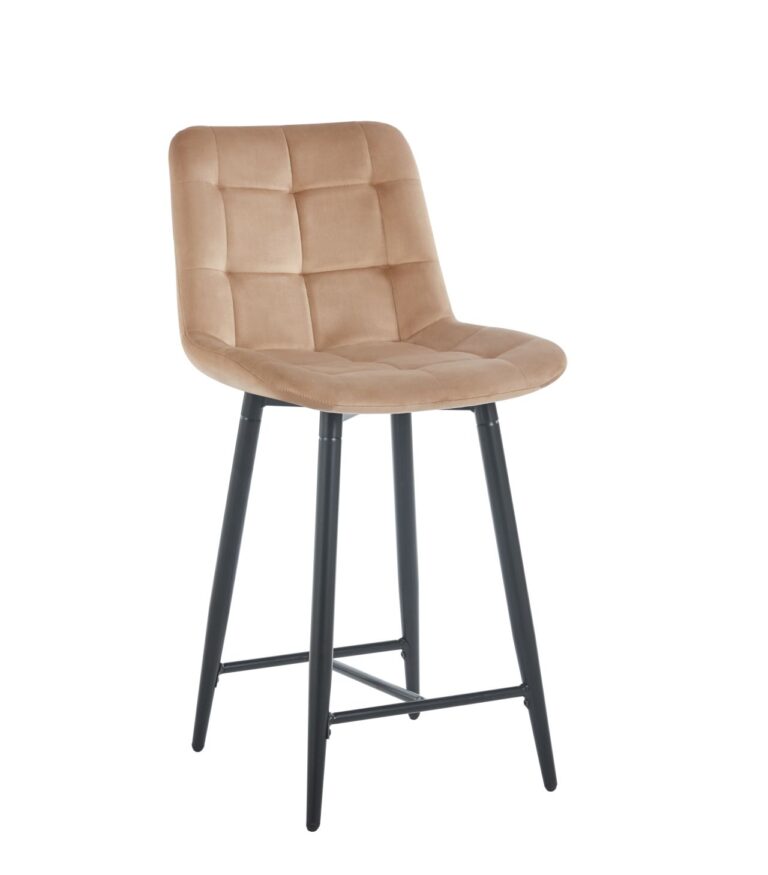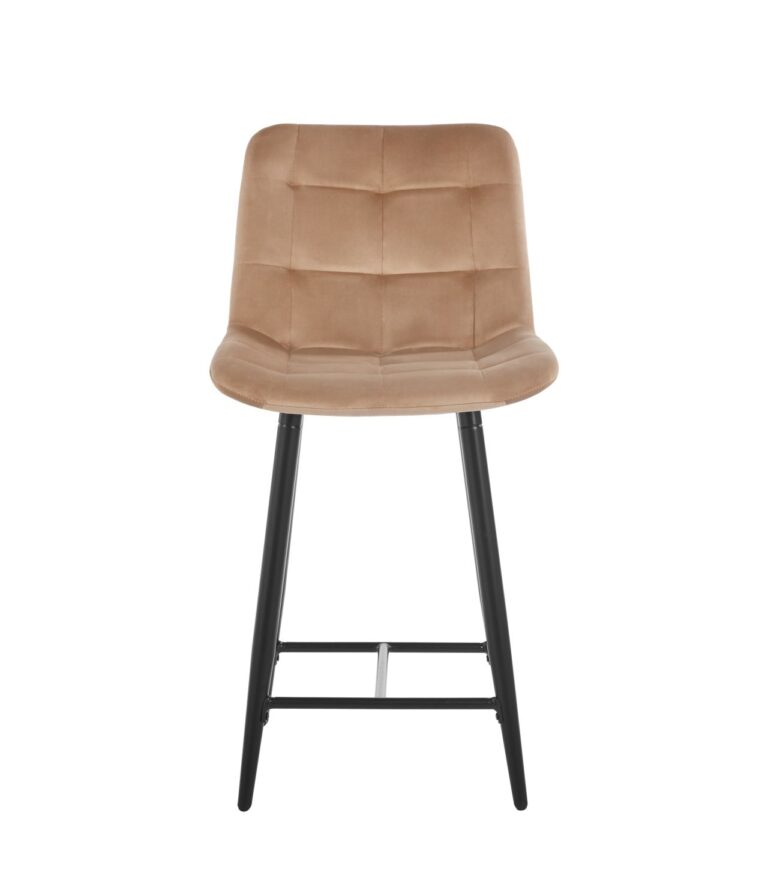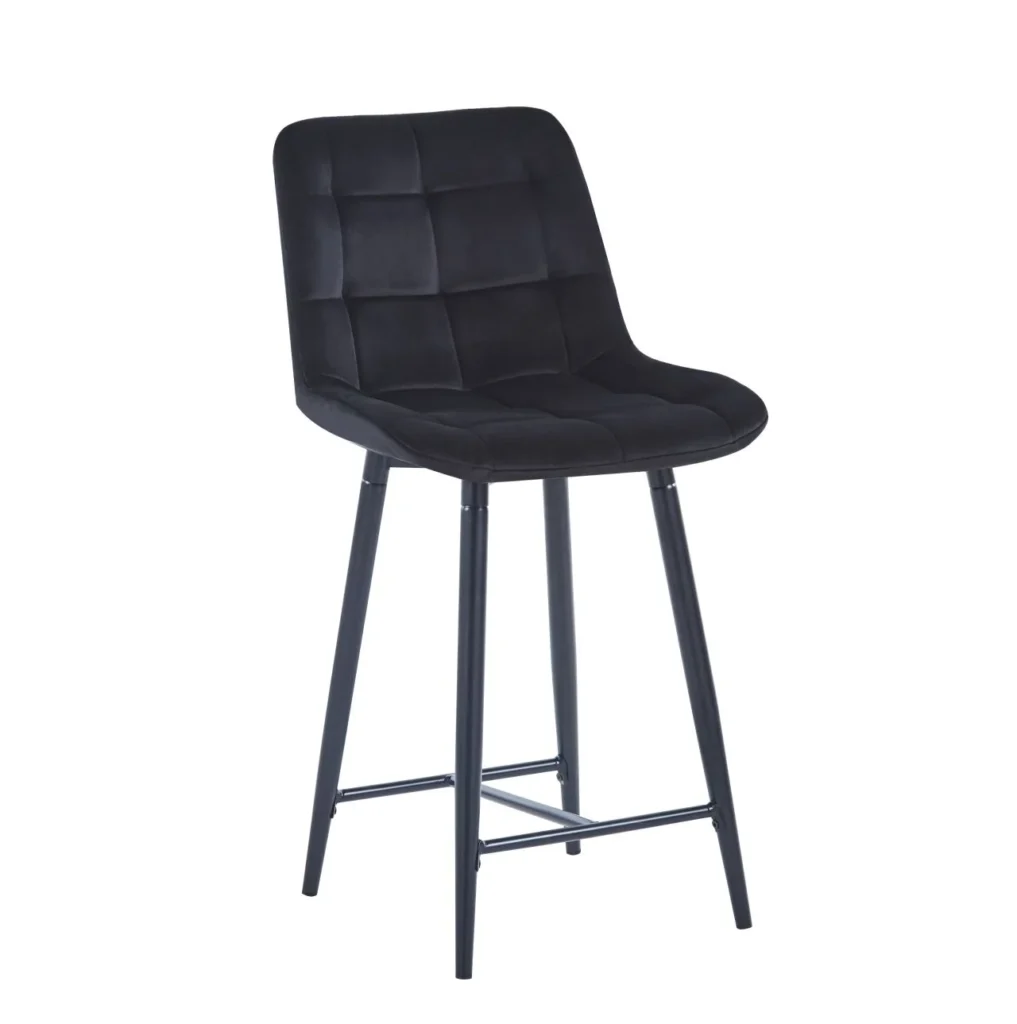
Hockers for the bar - The bar area in a restaurant is one of the most important places in the entire establishment. This is where guests often begin their visit, wait for a table, engage in conversation or spend time with a drink. In many modern dining concepts, the bar becomes the focal point of the interior, which attracts attention and builds the atmosphere of the place. Therefore, every element of this space should be carefully considered. Hockers for the bar play a key role in this context.
The choice of suitable seats should not be random. Selection of hockers for a restaurant bar directly affects the comfort of customers, the organization of the space and the efficiency of the staff. Uncomfortable or ill-fitting hockers can discourage guests from staying on the premises, while well-chosen models make the space more functional and welcoming.
In this article you will find a detailed guide to help you choose the perfect solution. We'll discuss all the key aspects - from height and ergonomics, to materials and style, to functionality and the most common mistakes.
The importance of hockers in the bar space
Hockers for a restaurant bar is not just a piece of equipment - it's part of the customer experience. In practice, it is the comfort of the seat that determines how long a guest will stay at the bar. Comfortable seating promotes relaxation, conversation and additional orders. An uncomfortable one makes the customer leave the place quickly.
A well-designed bar area should be both aesthetically pleasing and functional. Properly selected hockers for the bar They help achieve both of these goals. They affect the smooth flow of traffic in the premises, facilitate service and enhance the character of the interior.
It is also worth remembering that a bar is often a place with a high turnover of customers. Therefore, durable and comfortable bar hockers should be suitable for intensive use.
How to choose the height of the hockers for the bar?
One of the most important parameters is height. Proper adjustment of the height of the hockers to the bar top This is the absolute basis of comfort. Even the prettiest model will not do its job if the proportions are wrong.
The standard relationships are as follows:
- Tabletop with a height of 90 cm - hockers with a seat height of 60-65 cm,
- Tabletop with a height of 100-110 cm - hockers with a height of 70-80 cm.
Equally important is the space between the seat and the countertop. Optimum distance between the seat and the bar top should be about 25-30 cm. This gives the user enough leg room and allows him to rest his arms comfortably.
It is also worth considering different types of customers. Restaurants are visited by people of different heights, so well-chosen proportions increase the versatility of furniture.
Ergonomics - comfort that translates into profit
In food service, comfort has a direct impact on financial performance. Ergonomic hockers for the bar make guests spend more time in the premises, which often translates into larger orders.
The most important elements of ergonomics are:
- Properly contoured seat,
- Stable back support,
- Footrest to improve seating comfort,
- Proper seat width and depth.
Comfortable bar hockers increase customer dwell time, which has a real impact on the turnover of the restaurant. This is one of those elements that directly translates into business.
Materials - durability and ease of maintenance
A restaurant is an environment of heavy use. Furniture is used daily, moved around and exposed to dirt. Therefore, Hockers for a restaurant bar should be made of durable materials.
The most common solutions are:
- Wood - durable, elegant and timeless,
- Metal - Damage-resistant and very stable,
- Stain-resistant upholstery - practical and easy to clean,
- Plastics - Lightweight and moisture-resistant.
Selection of materials resistant to intensive use reduces operating costs and maintains the aesthetic appearance of the furniture for a long time.
Style and consistency of arrangement
Hockers for the bar should be an integral part of the interior design. The style of furniture influences how guests perceive the premises.
Example matches:
- Industrial style - Metal structures and rough finishes,
- Classic style - wooden upholstered hockers,
- Modern style - simple forms and minimalism,
- Loft style - A combination of wood and metal.
Stylistic consistency of the hockers with the restaurant interior builds a professional image and influences brand perception.
Hockers with or without a backrest?
Choosing hockers with or without a backrest depends on the nature of the premises and the use of the space.
- Hockers with backrest - provide greater comfort and are proven in premium restaurants,
- Hockers without backrests - They take up less space and are ideal for quick customer turnover.
In many cases, the best solution is a combination of both types.
Functionality and modern solutions
Modern barstools offer additional features that enhance their practicality.
- Height adjustment,
- Swivel seats,
- Lightweight design,
- Ease of cleaning.
Functional bar hockers make everyday use easier and improve staff comfort.
Organization of the space at the bar
Proper placement of hockers at the bar is of great importance for the convenience and smoothness of traffic.
Key principles:
- Minimum 60 cm wide per guest,
- Adequate spacing between seats,
- Preserving space for service.
Well-planned bar space increases restaurant functionality And improves the comfort of all users.
The most common mistakes when choosing hockers
During the selection process, it is easy to make mistakes that affect the functionality of the premises.
- Incorrect height,
- Lack of ergonomics,
- Poor materials,
- Lack of stylistic consistency,
- Too little space between hockers.
Avoiding mistakes when choosing hockers for your bar allows you to create a comfortable and aesthetically pleasing space.
Impact of hockers on customer experience and sales
Although it may seem to be just a detail, hockers to the bar have a real impact on the customer experience. Comfortable seating makes guests more likely to stay longer, order more and return to the establishment.
Well-chosen hockers increase customer dwell time, which directly translates into the financial performance of the restaurant.
Summary
Choosing the right furniture is one of the key elements of arranging the premises. Ideal hockers for a restaurant bar should combine convenience, durability and aesthetics.
By investing in barstools tailored to the needs of the premises, you create a space that attracts guests, increases their comfort and positively impacts the growth of your business.